How to Make Coffee Without a Coffee Maker: 5 Kitchen Methods That Actually Work
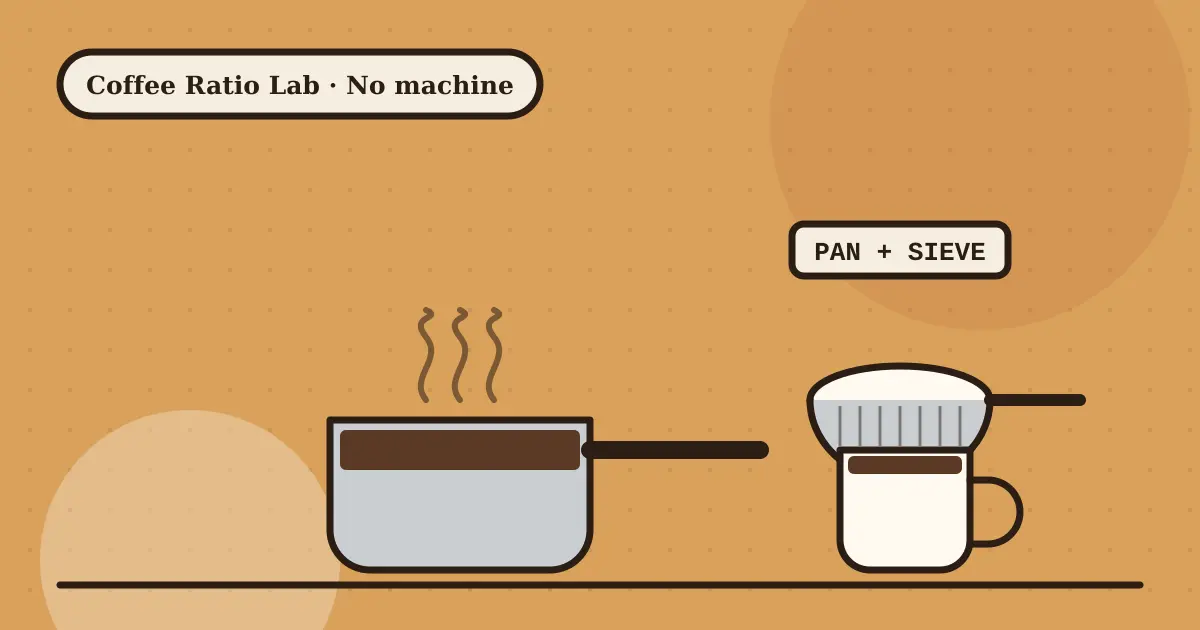
The easiest way to make coffee without a coffee maker is the saucepan method: heat 250 ml (8.5 oz) water to just off the boil, stir in 15–17 g (about 3 tablespoons) of coarse ground coffee, steep 4 minutes off the heat, let the grounds sink for 1 minute, then pour slowly through a fine sieve or paper towel. A jar and sieve or a homemade coffee bag work just as well.
Broken coffee maker, vacation rental, new apartment or power cut with a gas stove — sooner or later most of us need coffee without the usual gear. The good news: brewing coffee only needs three things: ground coffee, hot water and a way to separate them. Every method below is a variation of that.
Which method should you use?
| You have… | Best method |
|---|---|
| A saucepan and a sieve | Method 1: Saucepan steep |
| A jar or jug and a sieve | Method 2: Jar immersion |
| Paper towels or a clean cloth | Method 3: DIY pour-through filter |
| String or a clip | Method 4: Coffee "tea bag" |
| Only a pan and a fire (camping) | Method 5: Cowboy coffee |
All recipes use roughly 1:15 — about 15–17 g of coffee (3 level tablespoons) per 250 ml (8.5 oz) mug. Coarser ground coffee is easier to strain; if you only have fine coffee, see the tips at the end.
Method 1: Saucepan steep (best all-rounder)
- Heat 250 ml (8.5 oz) water in a pan until it just starts to boil, then turn off the heat and wait 30 seconds.
- Stir in 15–17 g of ground coffee.
- Cover and steep for 4 minutes.
- Gently stir the surface, then wait 1 more minute for the grounds to sink.
- Pour slowly through a fine sieve (or a sieve lined with a paper towel) into your mug, stopping before the sludge at the bottom.
Why off the heat? Boiling coffee extracts bitter compounds fast and drives off aroma. Steeping just below boiling gives a cleaner cup.
Method 2: Jar or jug immersion (French press without the press)
- Put the coffee in a heat-proof jar, jug or large mug.
- Pour in water just off the boil, stir, and steep 4 minutes.
- Strain through a fine sieve or tea strainer into another mug.
This is essentially French press coffee. For a cleaner cup, let it sit for 4 more minutes after the first stir so fines settle, then pour gently.
Method 3: DIY pour-through filter (closest to drip coffee)
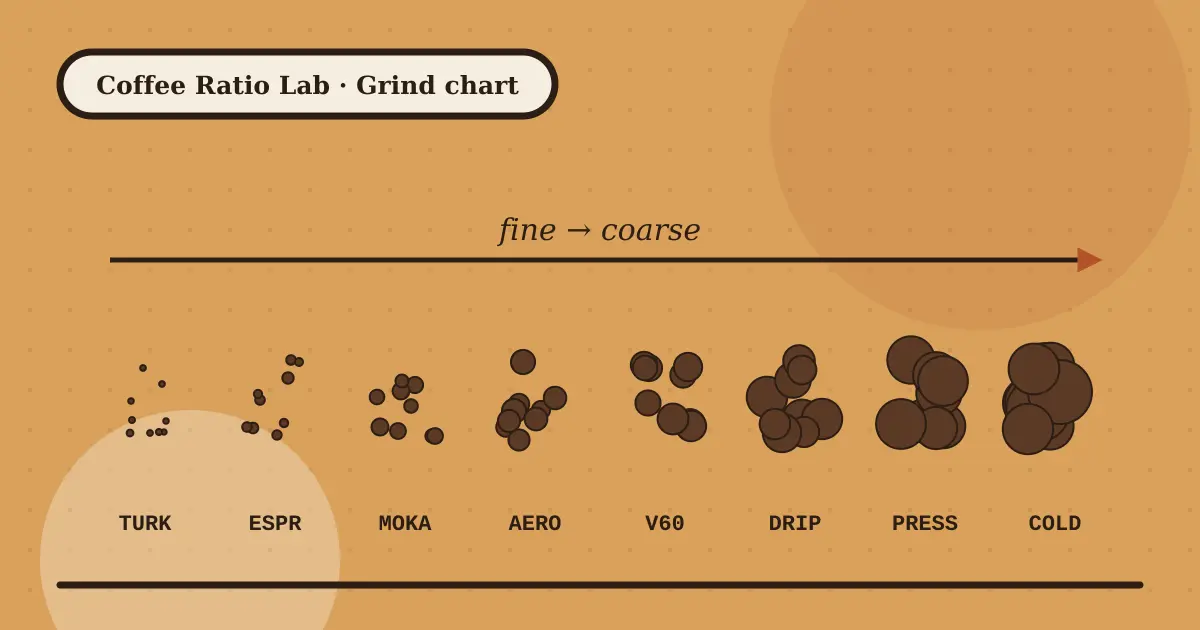
You can make a filter from a paper towel, a clean cotton handkerchief or a piece of cheesecloth.
- Line a sieve or funnel with the paper towel or cloth and set it over a mug.
- Wet the filter with hot water and discard that water (removes papery taste).
- Add 15 g of medium-ground coffee.
- Pour a little hot water to wet the grounds, wait 30 seconds, then pour the rest slowly in circles.
Paper towel tip: use plain, unscented, unprinted towels, and double them up so they don't tear. Pour slowly — towels drain slower than coffee filters.
Method 4: Coffee "tea bag"
Great for one cup and zero mess.
- Place 2–3 tablespoons of ground coffee in the center of a paper coffee filter (or paper towel or cheesecloth).
- Gather the edges and tie them with clean kitchen string or a twist of the paper, leaving a tail.
- Put it in a mug, pour 250 ml (8.5 oz) of water just off the boil over it.
- Steep 4–5 minutes, dunking a few times.
- Squeeze gently against the side with a spoon and remove.
Make a few bags in advance for travel — store them airtight.
Method 5: Cowboy coffee (camping)
- Bring water to the boil in a pan, take it off the heat for about 30 seconds.
- Add coffee (about 2 tablespoons per 250 ml (8.5 oz)) and stir.
- Steep 2–4 minutes.
- Sprinkle a splash of cold water over the surface — it helps the grounds sink.
- Ladle or pour carefully from the top, leaving the grounds behind.
It's rustic and has some sediment, but it's surprisingly good with decent coffee.
Methods compared
| Method | Taste | Sediment | Effort | Best for |
|---|---|---|---|---|
| Saucepan steep | Full-bodied | Low (with sieve) | Low | Everyday emergencies |
| Jar immersion | Full-bodied | Low–medium | Low | Offices, rentals |
| DIY filter | Clean, like drip | Very low | Medium | Best-tasting option |
| Coffee bag | Medium body | None | Very low | Single cups, travel |
| Cowboy | Heavy, rustic | Medium–high | Low | Camping |
Tips for any method
- Only have fine (espresso) ground coffee? Use the DIY filter method, or steep for only 2 minutes and strain through paper.
- No scale? 3 level tablespoons per mug is a good start — see grams per tablespoon.
- No kettle thermometer? Wait 30 seconds after boiling. More in our water temperature chart.
- Too bitter or sour? Use our Fix My Coffee tool.
What about instant coffee?
Instant coffee is the simplest no-equipment option: 1–2 teaspoons per mug, stirred into water just off the boil. Dissolve it in a splash of hot water first, then top up — it mixes more smoothly.
Frequently asked questions
How do you make coffee without a filter?
Steep the coffee in hot water in a pan or jar for 4 minutes, let the grounds settle, then pour carefully or strain through a fine sieve.
Can I use a paper towel as a coffee filter?
Yes. Use plain, unprinted towels, double them, rinse with hot water first and pour slowly.
Can you boil coffee grounds in water?
You can, but boiling makes coffee more bitter. Bring water to the boil, take it off the heat, then add coffee and steep.
How much ground coffee per cup without a coffee maker?
About 15–17 g, or roughly 3 level tablespoons, per 250 ml (8.5 oz) mug.
Liked this guide? Get the next one free
Subscribe and get our free printable Brew Cheat Sheet — every ratio, grind and temperature on one page. Then one practical brewing tip a week. No spam, unsubscribe anytime.

We write step-by-step guides for everyday home brewers: moka pots, French presses, AeroPress, pour over and cold brew. Every guide is checked against manufacturer instructions and widely accepted brewing guidance, and updated when we learn something better. How we write our guides.