What Is an Espresso Tonic? The Bitter, Bubbly Coffee Highball
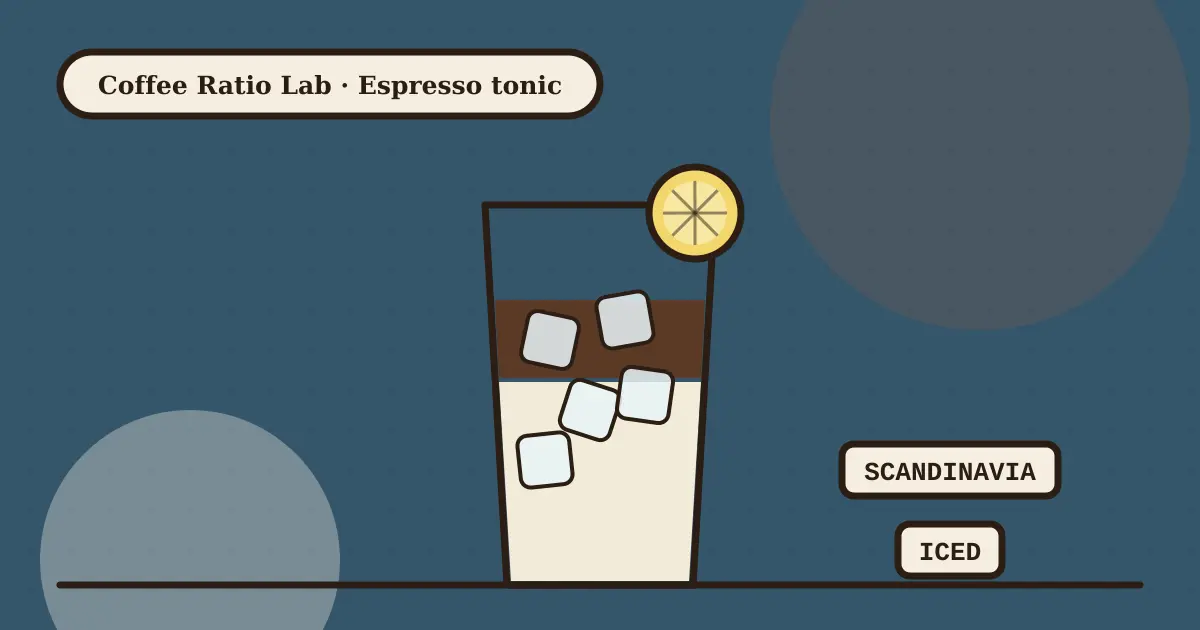
An espresso tonic is a shot of espresso poured slowly over a glass of ice and tonic water. It tastes bright, bitter and refreshing — like a coffee version of a gin and tonic, without the alcohol. It's often credited to a Swedish coffee roaster in the mid-2000s and works best with fruity, lighter roasts.
What it is
A tall glass of ice and chilled tonic water with espresso floating on top in a dark band. As it mixes, the drink becomes fizzy, bittersweet and refreshing. It's become a summer menu staple at specialty cafés.
Where it comes from
The drink is commonly credited to Koppi, a roastery café in Helsingborg, Sweden, in the mid-2000s, before spreading across Scandinavian and then international specialty coffee scenes.
What it tastes like
Bitter on bitter — quinine from the tonic and coffee — balanced by the tonic's sweetness, bubbles and citrus aroma. Fruity coffees taste like a sparkling citrus or berry drink; chocolatey dark roasts taste heavier and more bitter.
How to make an espresso tonic
| Ingredient | 1 glass |
|---|---|
| Ice | A tall glass full |
| Tonic water, well chilled | 120–150 ml |
| Espresso (single or double) | 30–60 ml |
| Garnish (optional) | Orange or lemon peel, rosemary sprig |
- Fill a highball glass with ice.
- Pour in the cold tonic, leaving about 3 cm of space.
- Let the espresso cool for 30–60 seconds, then pour it slowly over the back of a spoon onto the tonic.
- Garnish and serve. Stir lightly before drinking if you prefer it mixed.
Why does it foam over?
Hot espresso hitting cold, fizzy tonic releases carbon dioxide fast. Leave headroom, cool the espresso briefly and pour slowly.
No espresso machine?
Use cold brew concentrate instead — 40–50 ml of 1:5 concentrate — or a strong AeroPress shot. Cold brew tonic is smoother and less acidic.
Choosing the coffee
| Coffee | Result |
|---|---|
| Light or medium roast, fruity (e.g. washed Ethiopian or Kenyan) | Bright, juicy, citrusy — the classic choice |
| Medium-dark, chocolatey | Heavier, more bitter |
| Very dark roast | Often harsh with tonic |
See light vs medium vs dark roast.
Choosing the tonic
- Classic Indian tonic is crisp and bitter.
- Light / low-sugar tonics make a drier drink.
- Flavored tonics (elderflower, citrus, Mediterranean herb) add a twist.
Variations
- Espresso soda: use sparkling water instead of tonic, with a splash of syrup.
- Espresso and orange: add 30 ml (1 oz) fresh orange juice under the tonic.
- Cold brew tonic: cold brew concentrate instead of espresso.
Similar drinks
Freddo espresso, Greek frappé and our iced coffee guide.
Frequently asked questions
Does an espresso tonic contain alcohol?
No — it's coffee and tonic water only.
Why does my espresso tonic overflow?
Hot coffee releases the tonic's gas quickly. Use cold tonic, leave space, cool the espresso slightly and pour gently.
What coffee is best for espresso tonic?
Fruity, light-to-medium roasts usually taste best.
Love coffee drinks? Get one new recipe a week
Subscribe and get our free printable Brew Cheat Sheet — every ratio, grind and temperature on one page. Then one practical brewing tip a week. No spam, unsubscribe anytime.

We write step-by-step guides for everyday home brewers: moka pots, French presses, AeroPress, pour over and cold brew. Every guide is checked against manufacturer instructions and widely accepted brewing guidance, and updated when we learn something better. How we write our guides.